
Title: Power, Ownership, and Tradition: Jeff Bezos Emerges as a Controversial Candidate in Hypothetical Packers Acquisition Buzz
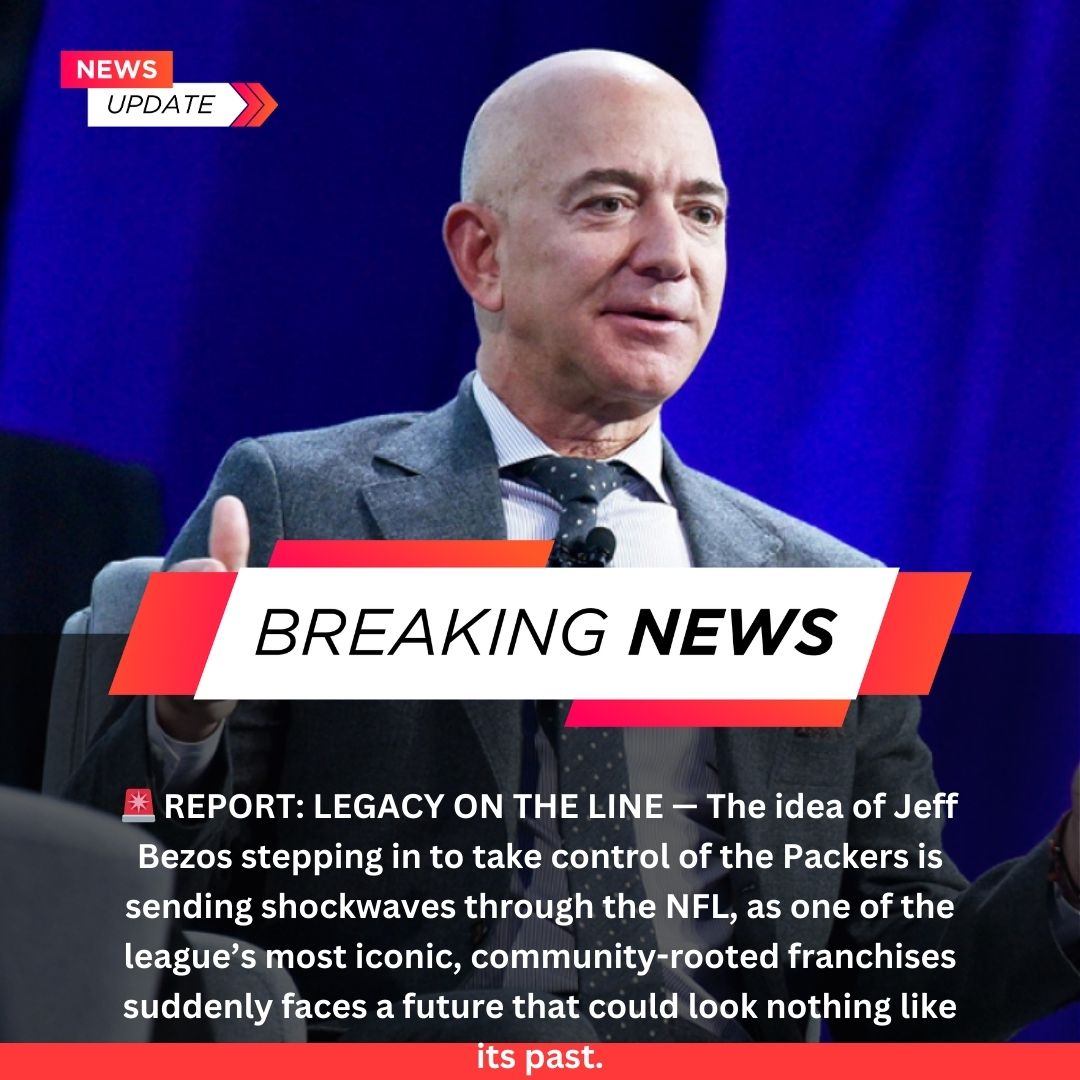
A surprising wave of online speculation has erupted after reports suggested that Jeff Bezos is emerging as a leading candidate in prediction markets to potentially acquire the Green Bay Packers.
The discussion, fueled by activity on Polymarket, has quickly transformed into one of the most debated topics across sports and business communities.
At first glance, the idea seems both fascinating and deeply controversial.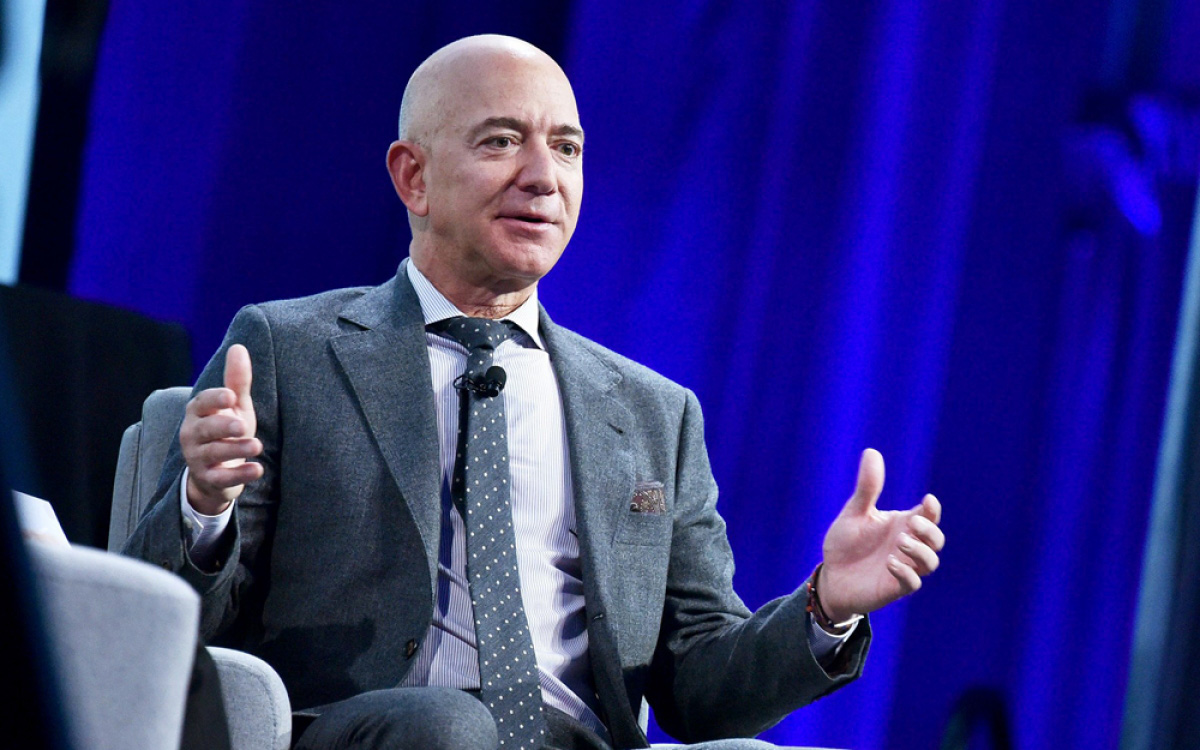
The Packers are not a typical professional sports franchise, and that unique structure lies at the heart of the growing debate.
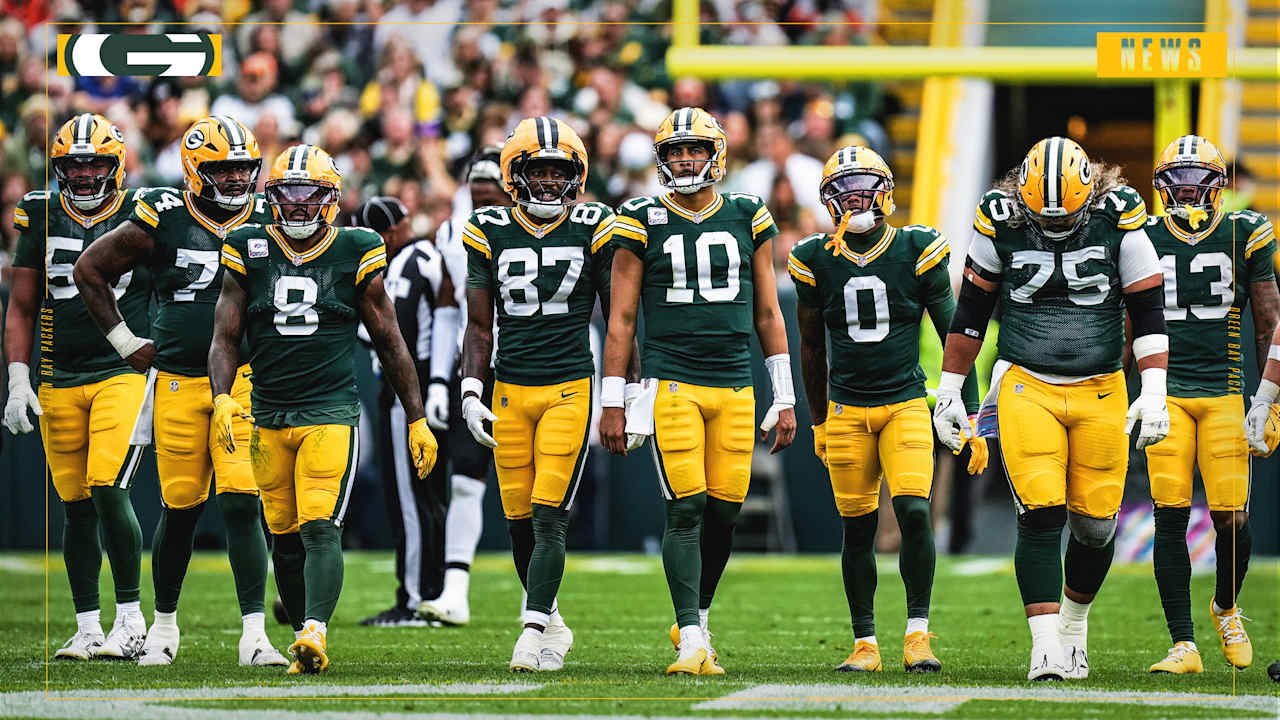
Unlike most teams in the National Football League, the Packers are publicly owned by thousands of shareholders rather than a single billionaire owner.
This model has long been celebrated as a symbol of community ownership and collective identity in American sports.
Fans often describe the Packers as "the people's team," representing a rare connection between professional athletics and grassroots participation.
The possibility of a figure like Bezos becoming associated with ownership challenges that tradition in dramatic ways.
As the founder of Amazon, Bezos is widely recognized as one of the most influential business leaders of the modern era.
His ventures have reshaped industries ranging from e-commerce to cloud computing, and his financial resources place him among the wealthiest individuals in the world.
Supporters of the hypothetical scenario argue that such financial power could bring significant advantages to a sports franchise.
They point to potential investments in infrastructure, technology, and global branding opportunities that could elevate the Packers to new heights.
Modern sports increasingly rely on innovation, analytics, and international expansion to remain competitive in a rapidly evolving landscape.
From that perspective, the involvement of a visionary entrepreneur could represent a strategic advantage.
However, critics strongly oppose the idea, emphasizing the importance of preserving the Packers' unique ownership structure.
For them, the team represents more than wins and losses.
It embodies a philosophy that professional sports can belong to communities rather than individuals seeking profit or influence.
The debate has therefore evolved into something much larger than a simple ownership question.
It has become a cultural discussion about the future of sports and the role of billionaires in shaping that future.
On social media platforms, fans have expressed a wide range of opinions.
Some are intrigued by the possibility of new investment and global visibility.
Others react with immediate resistance, viewing the idea as a threat to the Packers' identity.
The intensity of these reactions reflects how deeply fans care about the traditions associated with their team.
For many supporters, the experience of attending games at Lambeau Field represents more than entertainment.
It is a shared ritual connecting generations of fans through loyalty and pride.
That connection feels fundamentally different from franchises controlled by individual owners.
The Packers' structure allows fans to feel like genuine stakeholders rather than distant spectators.
Introducing a figure like Bezos into that equation raises questions about whether such a model could survive intact.
Some analysts caution that the speculation itself may be misunderstood.
Prediction markets reflect public sentiment and probability estimates rather than confirmed plans or negotiations.
In other words, Bezos appearing as a "leading candidate" does not necessarily indicate any real intention to acquire the team.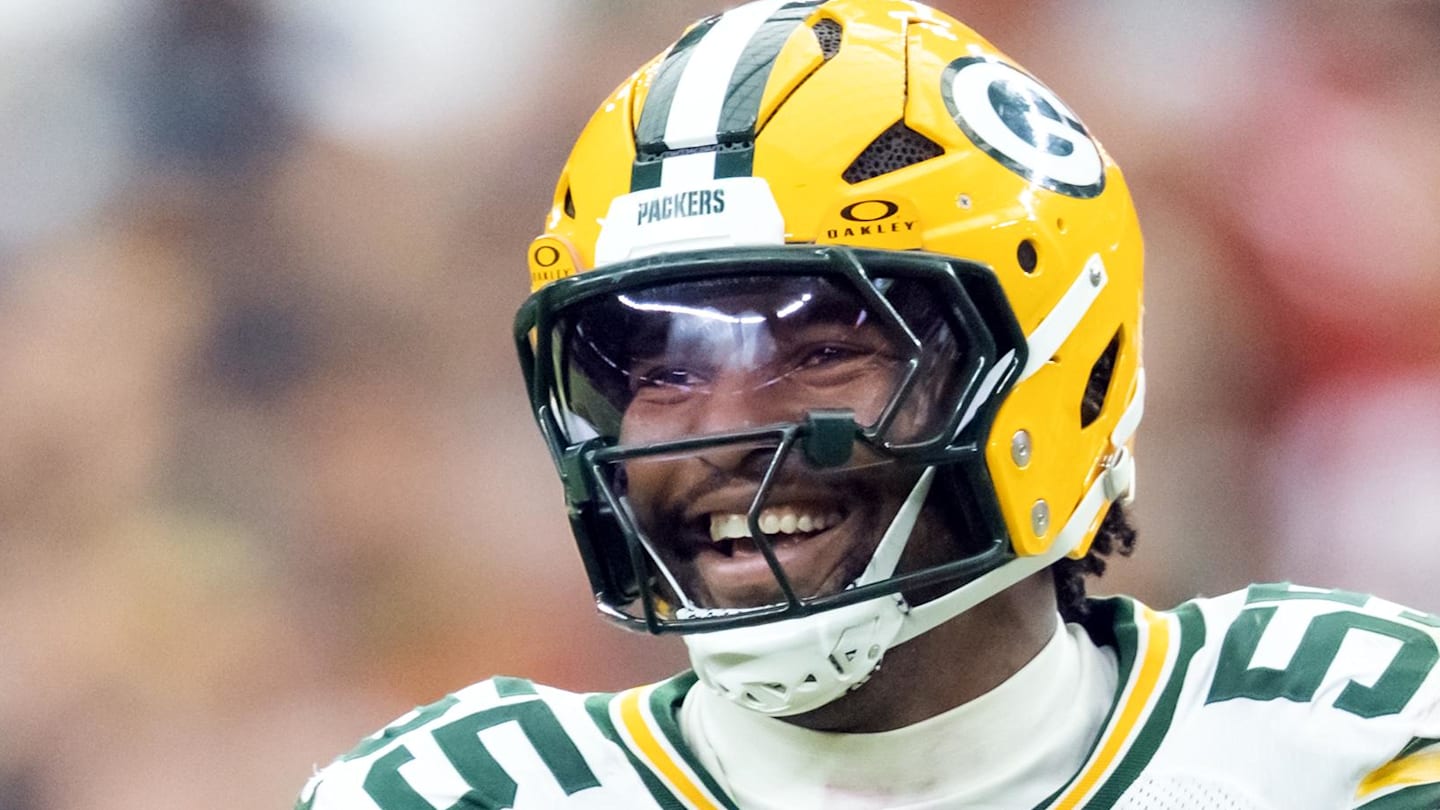
Nevertheless, the discussion has captured global attention precisely because it touches on powerful themes.
Wealth, influence, tradition, and the future of sports ownership all collide within this single narrative.
The NFL has historically maintained strict rules regarding team ownership structures.
The Packers' unique status has been preserved through special exemptions that recognize their historical significance.
Changing that structure would likely require complex legal and organizational decisions involving multiple stakeholders.
Such a transformation would not occur easily or quietly.
That reality has not stopped the online debate from gaining momentum.
In fact, the uncertainty surrounding the situation has only fueled further speculation and discussion.
Some fans imagine a future where increased investment leads to cutting-edge facilities and expanded global reach.
Others fear a loss of authenticity if corporate influence replaces community control.
These contrasting visions highlight a broader tension within modern sports.
As leagues grow into multi-billion-dollar enterprises, the balance between tradition and commercialization becomes increasingly difficult to maintain.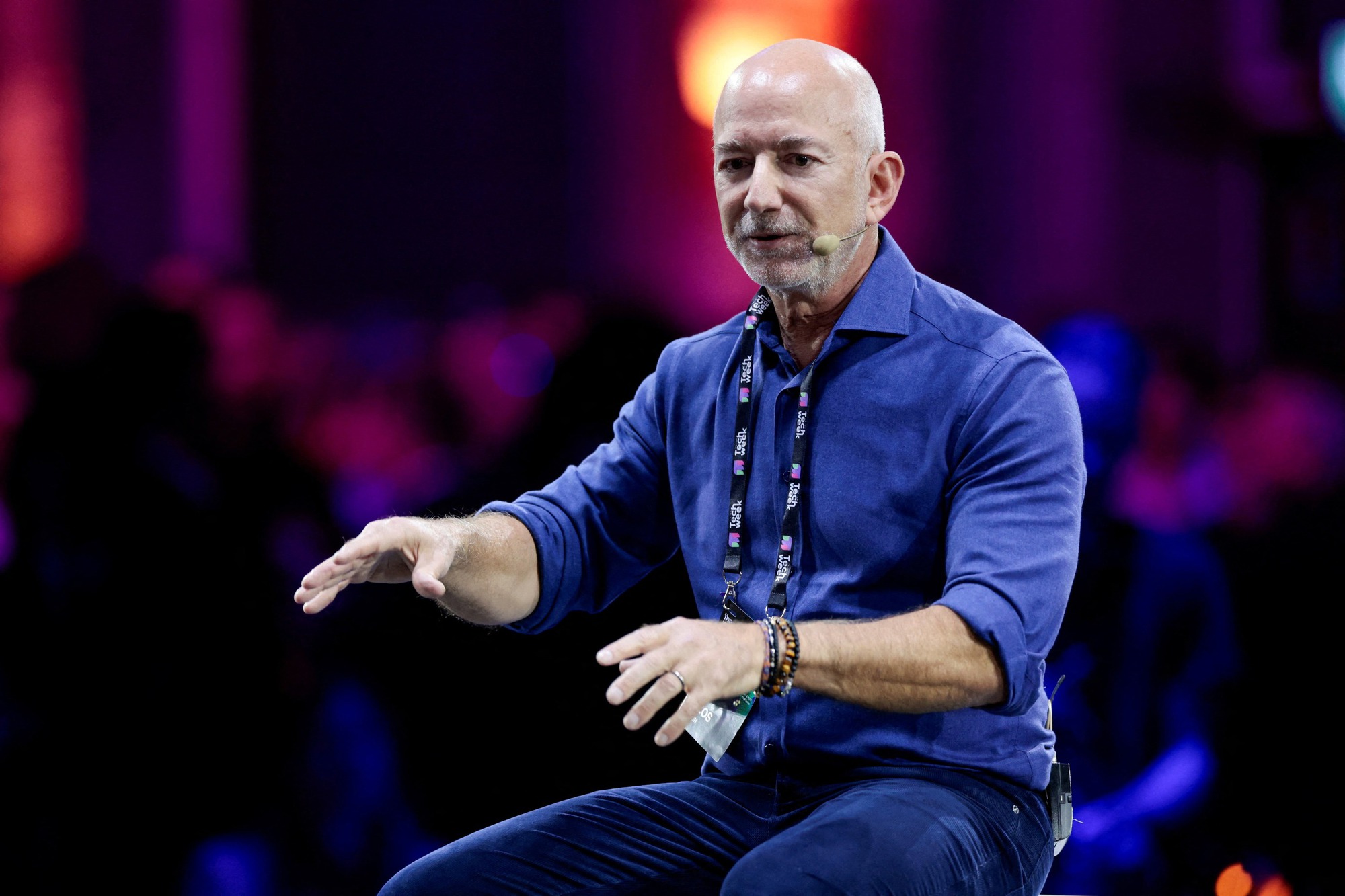
The Packers stand as one of the last symbols of a different era, where community identity outweighed corporate strategy.
That symbolism explains why even hypothetical discussions about ownership changes generate such strong emotional reactions.
For younger fans, the idea of billionaire ownership may seem normal, given its prevalence across global sports.
For longtime supporters, however, the Packers represent a rare alternative worth protecting.
The involvement of someone like Bezos amplifies the stakes of the conversation.
His reputation as a transformative business leader suggests that any project he undertakes could bring significant change.
Whether that change would benefit or harm the Packers depends largely on perspective.
Supporters of innovation argue that adaptation is necessary for long-term success in competitive industries.
Traditionalists counter that certain institutions should remain rooted in their original values.
This clash of philosophies ensures that the debate will not fade quickly.
Instead, it is likely to continue evolving as fans, analysts, and commentators explore the implications from every angle.
The story also demonstrates how digital platforms are reshaping the way sports news spreads and develops.
A single report connected to a prediction market can ignite global conversations within hours.
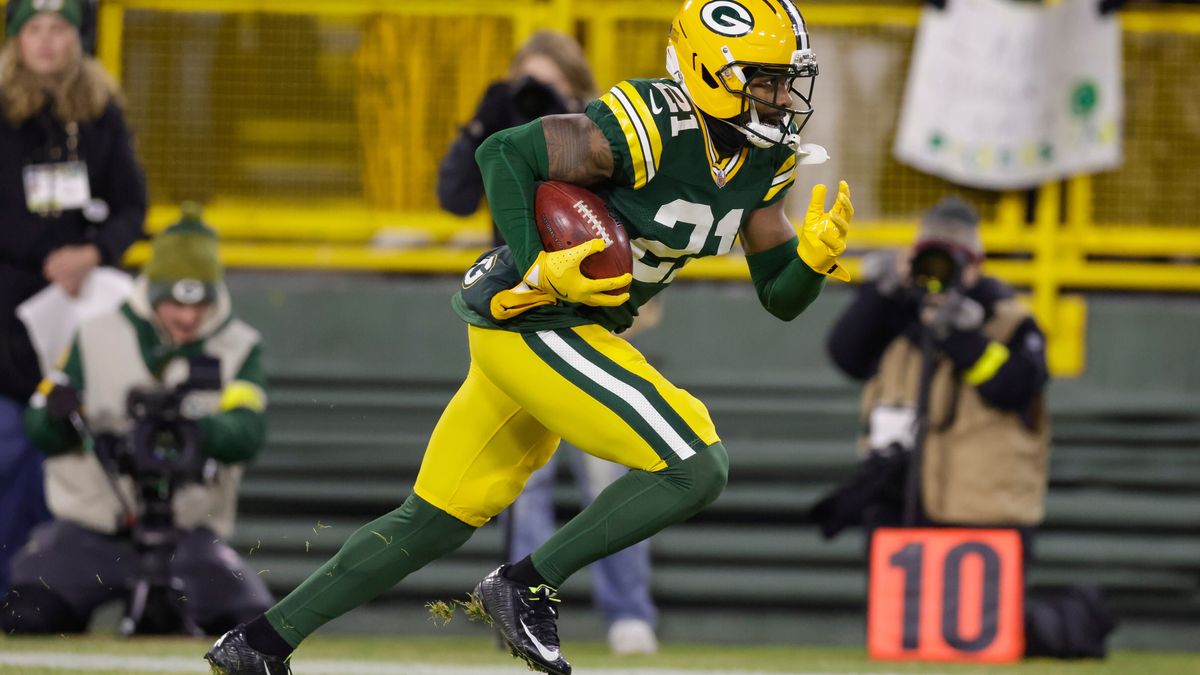
In the past, such discussions might have remained confined to local communities or niche audiences.
Today, they become viral topics influencing public perception across continents.
For the Packers, this moment serves as a reminder of their unique position within the sports world.
They are not just a football team but also a symbol of community ownership in an increasingly commercialized industry.
Any suggestion of change to that identity naturally attracts intense scrutiny and passionate debate.
As the conversation continues, one thing remains clear.
The intersection of wealth, influence, and tradition will continue shaping the future of professional sports.
Whether or not Jeff Bezos ever becomes involved with the Green Bay Packers, the discussion itself has already left a lasting impression.
It has forced fans to confront important questions about what they value most in the teams they support.
Is it innovation and growth, or tradition and community identity?
The answer may differ for each individual, but the debate ensures that the Packers' story remains as compelling off the field as it is on it. 